Sewer line problems rarely announce themselves dramatically at first — they build slowly through warning signs most homeowners miss until a backup forces the issue.
Key takeaways
- Multiple drains gurgling or backing up at the same time points to the main sewer line.
- A persistent sewage smell in the yard or near cleanouts is never normal.
- Unusually lush or soggy patches of grass over your sewer line can mean an active leak.
- Older Redlands homes with clay or cast-iron sewer lines are especially vulnerable to root intrusion.
Multiple Slow Drains at Once
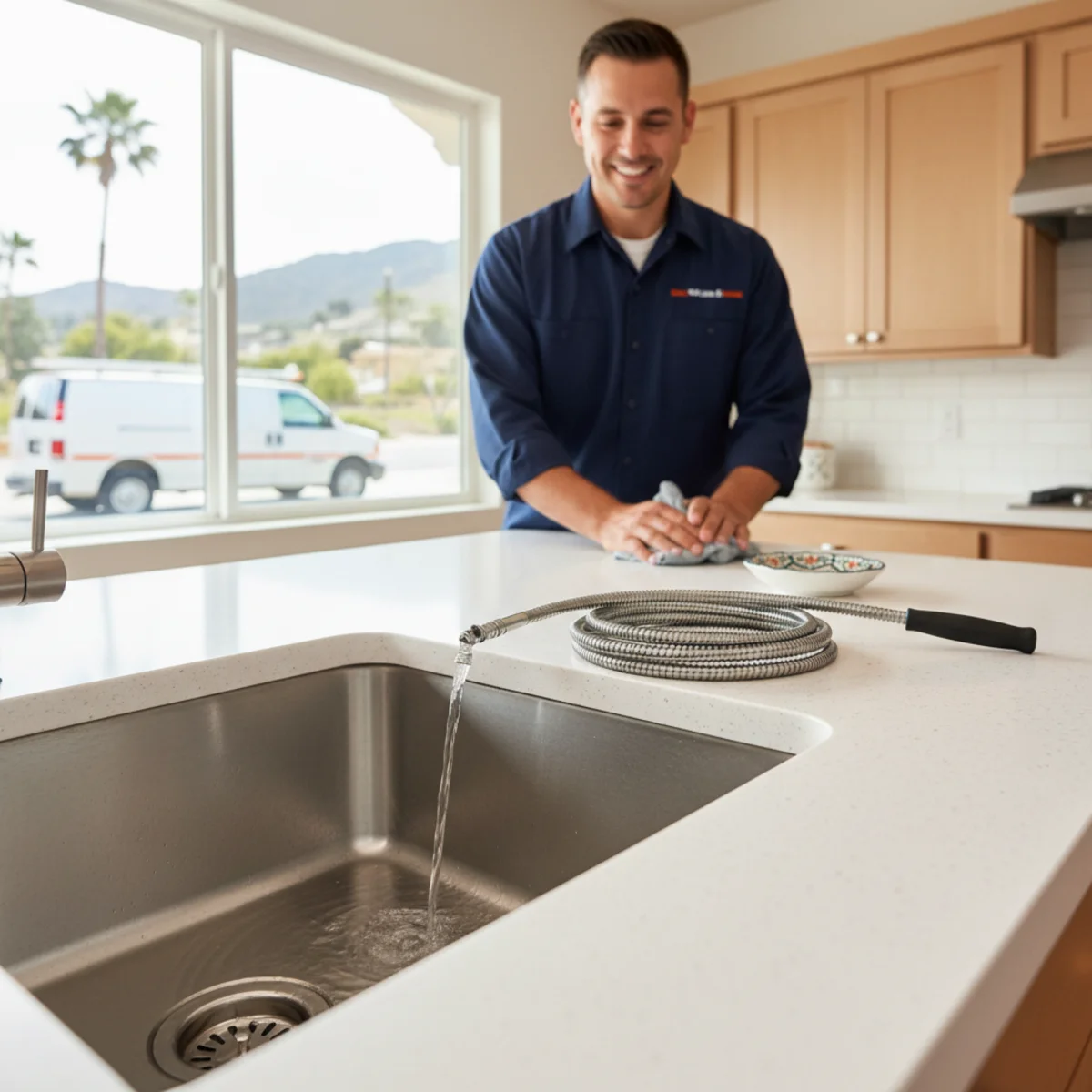
The single most telling sign of a sewer line problem — rather than a simple localized clog — is when multiple fixtures drain slowly at the same time. If only your bathroom sink is slow, that's a branch drain issue. If the bathroom sink, the tub, and the toilet all seem sluggish and you occasionally notice gurgling between them, the problem is downstream in the main sewer line where all those branches converge.
This pattern is important to recognize because it changes what the appropriate response is. Plunging or snaking a single fixture won't address a main-line problem. In Redlands Heights and other established Redlands neighborhoods with older sewer lines, multi-fixture drain slowdowns are one of the clearest indicators that a camera inspection is warranted.
Gurgling Sounds
Gurgling from a toilet or floor drain that you're not actively using is the sound of air being displaced by water in a partially blocked line. When the washing machine drains, for example, the surge of water moving through the main line can push air back up through the nearest vertical connection — often a toilet bowl. You'll see the water in the bowl bubble or ripple slightly, and you may hear a gurgling sound.
This air displacement symptom is distinct from the normal sound of water draining. If you reliably hear gurgling from a toilet when the washing machine drains, or from a floor drain when someone showers, you have a partial obstruction somewhere in the shared line. It's early-stage but worth investigating rather than ignoring.
Sewage Odors
A properly functioning sewer system is sealed. Wastewater and the gases it produces should never be detectable inside your home or in your yard around the sewer line path. If you smell sewage — a distinctly unpleasant sulfur-and-waste odor — inside the house, it typically means either a fixture's trap has dried out (allowing sewer gas to migrate up through an unused drain) or there is a crack or break in the sewer line itself.
Dried-out traps are easy to address: run water in unused fixtures regularly, especially in infrequently used bathrooms or floor drains in garages. If the odor persists after running all traps, or if you smell sewage in the yard, the problem is likely a broken or cracked sewer line. In older Redlands clay-pipe sewer lines, root intrusion often causes joint separation that allows both leakage and odor.
Wet Spots or Lush Patches in the Yard
A sewer line runs from the house to the street, typically through the front yard. If that line has a crack or joint failure, it leaks effluent into the surrounding soil. Sewage-saturated soil produces distinctly lush and abnormally green grass in a strip or patch over the pipe's path — the nutrients in wastewater act as fertilizer. You might also notice that the soil in that area stays damp even during dry periods, or in more serious cases that the ground feels soft or slightly sunken over the line's path.
In Redlands Heights, where sloped terrain means water follows topography, a leaking sewer line on a hillside lot can cause wet spots that appear well away from the actual break. If you have unexplained wet areas in your yard and no obvious irrigation source, the sewer line is worth investigating.
Sewage Backups
Raw sewage backing up into a tub, shower, or floor drain is the most alarming and unmistakable symptom of a sewer line problem. This happens when the main line is sufficiently blocked that wastewater has nowhere to go but backward through the plumbing system. The lowest drains in the house — typically a basement floor drain, ground-floor tub, or the washing machine drain — receive the backup first.
A sewage backup is a plumbing emergency. Sewage contains pathogens and should be treated as a biohazard. Stop using all fixtures immediately, avoid contact with the backup material, and call for emergency service. Don't use drain cleaners — they won't clear the type of obstruction that causes sewage backup and will make cleanup more complicated.
Foundation or Floor Changes
A long-running sewer line leak under or near the foundation can saturate soil, causing differential settling. In a slab-on-grade home — common in Redlands — soil movement under the slab can cause cracks in the floor, sticking doors, or visible cracks in interior or exterior walls. These structural symptoms are later-stage, indicating a leak has been ongoing for some time.
Not every foundation crack means a sewer problem, but if you're seeing structural changes alongside any of the other symptoms in this article, a sewer line inspection should be part of the diagnostic process. The sooner the leak is identified and repaired, the less soil disturbance occurs and the more limited the structural impact.
What to Do Next
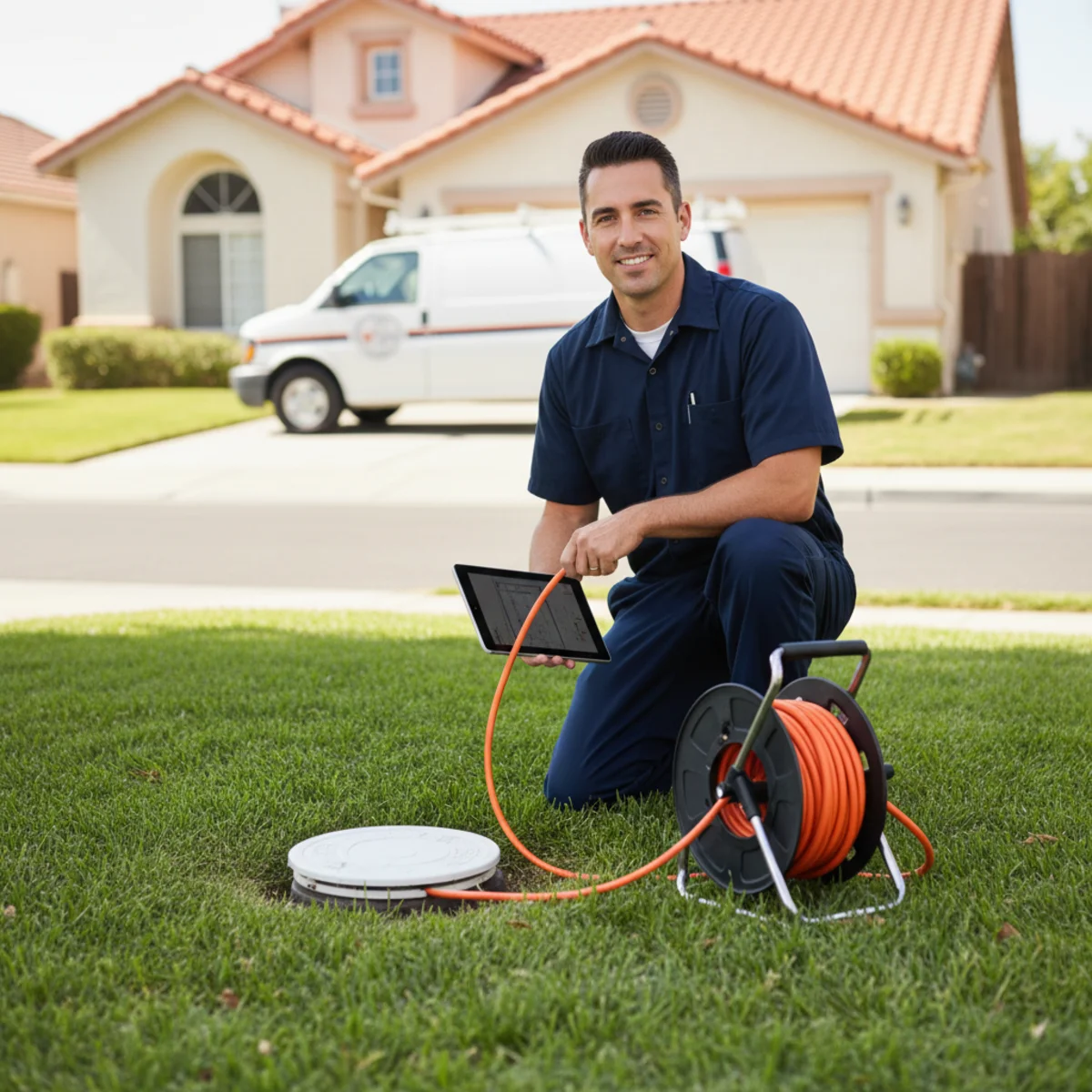
If you recognize two or more of these signs, a sewer camera inspection is the right first step. Camera inspection puts a video-equipped probe through the cleanout and into the sewer line, showing us in real time the condition of the pipe: root intrusion, cracks, offset joints, scale, grease, or collapsed sections. It tells us exactly where the problem is and what type of repair is appropriate — information that's impossible to get accurately any other way.
Redlands Heights Plumbing Pros performs sewer camera inspections throughout Redlands and the Inland Empire. We'll give you a clear explanation of what we find and honest recommendations for the right repair approach. Call (207) 419-2600 to schedule an inspection or request emergency service if you're experiencing active backup.
Need sewer line repair in the Redlands area?
Diagnose and repair damaged or blocked sewer lines in Redlands Heights before a backup ruins your home. Upfront pricing and fast local service.
Written & reviewed by the Redlands Heights Plumbing Pros team
Our licensed (CA C-36), local plumbers have handled the realities of Redlands-area homes for years — hard water, aging pipe, and slab leaks included. Questions about your home? Call (207) 419-2600 or request service.
Verify our CSLB license