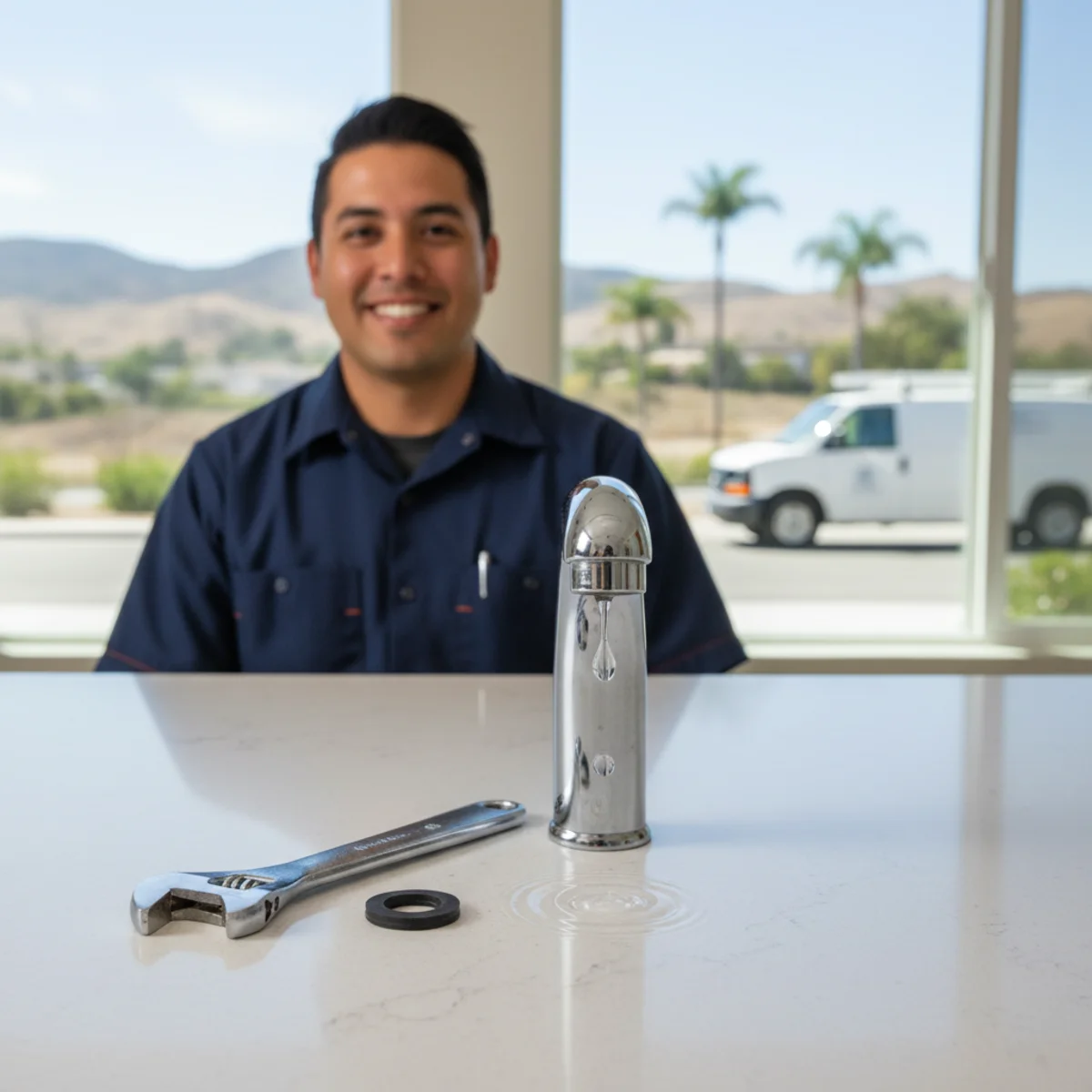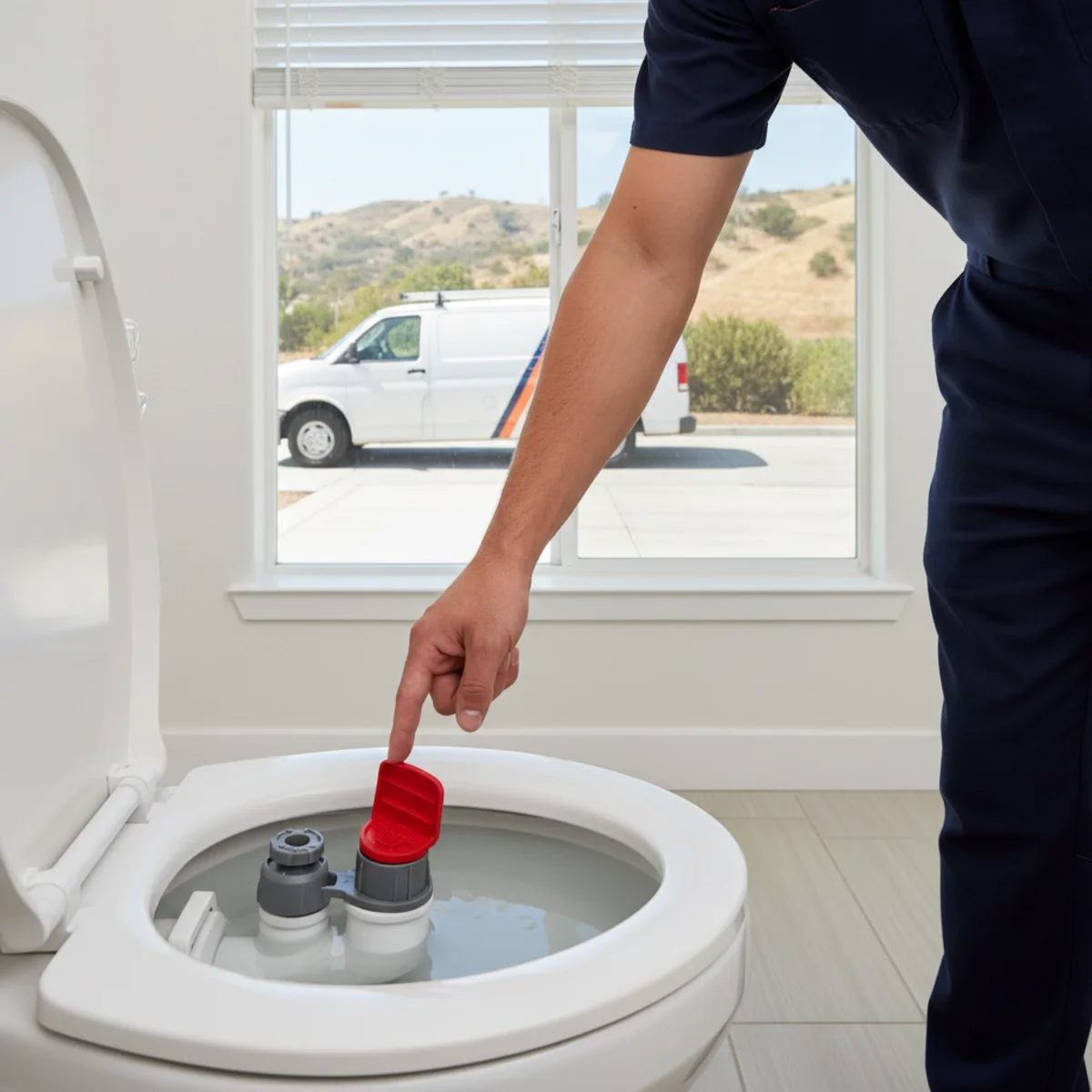
That constant sound of water trickling in your toilet is wasting water and money — and the fix is usually simpler than you'd think.
Key takeaways
- A running toilet can waste roughly 200 gallons of water per day, adding up on your water bill.
- The flapper is the most common culprit - a worn or warped flapper lets water leak into the bowl.
- Drop food coloring in the tank: if color appears in the bowl without flushing, the flapper is leaking.
- A fill valve that keeps running after the tank is full needs adjustment or replacement.
Diagnose Before You Fix
A running toilet is almost always caused by one of three components: the flapper, the fill valve, or the float. Before touching anything, diagnose which one is causing the problem — it determines whether the fix takes five minutes or thirty.
Remove the tank lid and set it safely aside. Look at the water level in the tank. If water is at or above the top of the overflow tube (the tall pipe in the center of the tank), the float is set too high or the fill valve isn't shutting off — water is overflowing into the bowl continuously. If the water level is normal but you can still hear water running, the flapper isn't sealing and water is leaking past it into the bowl.
The quick dye test: put a few drops of food coloring into the tank without flushing. Wait 15 minutes and look in the bowl. If colored water has appeared in the bowl without flushing, the flapper is leaking. This confirms the diagnosis without any disassembly.
Flapper Replacement
The flapper is the most common cause of a running toilet — a rubber valve at the bottom of the tank that seals the opening to the bowl. Over time, rubber flappers deteriorate, warp, or accumulate mineral scale from Redlands' hard water, preventing a complete seal.
Replacing a flapper is a 10-minute repair that requires no tools and typically costs just a few dollars for the part. Turn off the water supply at the toilet's shut-off valve, flush to empty the tank, unhook the old flapper from the pegs on the overflow tube and disconnect the chain from the handle arm, snap the new flapper in place, attach the chain (leaving about a half inch of slack), turn the water back on, and test.
The only complication: getting the right replacement flapper. Flappers come in different sizes and configurations depending on the toilet brand and model. Take the old flapper to the hardware store, or note the toilet brand (usually stamped inside the tank) and look up the recommended replacement part. An ill-fitting flapper won't seal any better than the worn one.
In Redlands' hard water environment, calcium scale on the flapper seat (the opening the flapper seals against) can also prevent sealing even with a new flapper. If a new flapper doesn't solve the problem, gently clean the seat with white vinegar on a cloth and check for visible pitting or damage.
Fill Valve Issues
If the tank water level is normal but water is still running, and the flapper dye test showed no leakage, the fill valve may be partially failing — allowing a slow trickle of water into the tank that exits through the overflow tube or produces a faint running sound.
Older ballcock-style fill valves (with a ball float on an arm) can develop internal wear and drip even when closed. Modern fill valves (tower-style, with a float that rides up the valve body) are more reliable but still wear out.
Replacing a fill valve is a slightly more involved repair than a flapper swap but still within reach for a homeowner comfortable with basic plumbing: shut off supply, flush and sponge out remaining water, unscrew the supply line at the bottom of the tank, unscrew the locknut holding the fill valve in place, remove the old valve, insert the new one, set the water height per the instructions, and reconnect. The whole job takes 20 to 30 minutes. Universal fill valves that fit most toilet brands are available at hardware stores.
Float Adjustment
If water is running into the overflow tube — the tall open tube in the center of the tank — the float is set too high and the tank is being overfilled. The fill valve doesn't shut off until the water reaches the float's trigger point; if that trigger point is above the overflow tube height, water continuously runs into the bowl.
For a ball-float arm: bend the arm down slightly to lower the water level, or turn the adjustment screw if your model has one.
For a tower-style fill valve with a float clip: slide the float clip downward on the fill valve shaft to lower the shut-off point.
The correct water level is typically 1 inch below the top of the overflow tube — there's usually a mark on the tank interior. After adjusting, flush and watch the tank refill to confirm it stops at the right level.
Overflow Tube Water Level
The overflow tube is a safety component — it provides a path for water to exit into the bowl if the tank overfills, preventing the tank from overflowing onto the floor. If the overflow tube is cut too short, the water level in the tank may be above it even at normal fill valve settings.
If you've replaced the fill valve and properly set the float but water still trickles into the overflow tube, check the tube height. The water level in the tank should sit one inch below the top of the overflow tube. If the tube is too short, you can extend it with an overflow tube extension (inexpensive, available at hardware stores) or replace the entire flush valve assembly.
This is less common but does occur, particularly in older toilets or after previous repairs where the wrong overflow tube was installed.
When to Call a Plumber
Call us for toilet repair when:
- You've replaced the flapper and fill valve and the toilet still runs
- The flush valve seat (the opening the flapper seals against) is cracked or severely pitted — this requires replacing the flush valve assembly, a more involved repair
- The toilet is old and parts are difficult to find or no longer available
- There are cracks in the tank or bowl
- The toilet rocks on its base or has been leaking at the base — these indicate wax ring or floor flange issues unrelated to running
A running toilet in a Redlands home wastes an average of 200 or more gallons per day at California water rates — the repair cost is almost always recovered in water savings within months. Call (207) 419-2600 for toilet repair or replacement throughout Redlands.
Need toilet repair in the Redlands area?
Fix a running, leaking, clogged, or rocking toilet in your Redlands Heights home. Upfront pricing and fast local service.
Written & reviewed by the Redlands Heights Plumbing Pros team
Our licensed (CA C-36), local plumbers have handled the realities of Redlands-area homes for years — hard water, aging pipe, and slab leaks included. Questions about your home? Call (207) 419-2600 or request service.
Verify our CSLB license