An overflowing toilet is one of those moments where knowing what to do in the first 30 seconds makes all the difference to how much cleanup follows.
Key takeaways
- Remove the tank lid and push the flapper down immediately to stop water entering the bowl.
- Turn the shutoff valve behind the toilet clockwise to cut water supply within seconds.
- Never use the toilet again until you know why it overflowed - a blockage may still be there.
- Sewage water is a biohazard; use gloves and disinfect the floor thoroughly after cleanup.
Stop the Overflow Immediately
The first 30 seconds matter. When you see the toilet bowl rising and not stopping:
- Remove the tank lid immediately and push the flapper valve down to seal the tank outlet and stop more water from entering the bowl. This buys you time.
- Reach behind the toilet near the floor and turn the shut-off valve clockwise until it stops. This cuts off the water supply to the tank entirely.
- If the shut-off valve is stuck or you can't reach it quickly, go to the main water shut-off for the house.
Do not flush again hoping to clear the blockage — that adds more water and worsens the overflow. Get the water stopped first, then assess.
Why Toilets Overflow
Most toilet overflows fall into two categories:
The first is a drain blockage — something in the trap or the drain line is obstructing the flush, and the bowl fills faster than it can drain. This is the most common cause, typically from too much toilet paper, wipes (even "flushable" ones), or an object falling in.
The second, less common cause is a fill valve malfunction — the float mechanism that tells the tank to stop filling fails, allowing the tank to overfill and water to continuously enter the bowl through the overflow tube. In this case the bowl rises even without a blockage. The fix is different: the fill valve or float needs replacement rather than clearing a drain clog.
Knowing which type you have helps determine the right response. A tank issue requires repair or replacement of internal components. A drain clog requires clearing the blockage.
Safe Cleanup
Toilet overflow water falls into two categories based on content. If the toilet was flushed without waste — overflow from a clean-water malfunction — cleanup is straightforward with absorbent towels and standard cleaning.
If the overflow contains waste material, treat it as a biohazard. Wear rubber gloves and avoid direct contact. Absorb the material with old towels or mop, then disinfect all affected surfaces — floor, baseboards, and anything splashed — with a disinfectant cleaner. Bag and seal the contaminated towels for disposal. Wash hands thoroughly afterward.
Water that has soaked into subfloor or under baseboards is a moisture damage concern — dry the area as thoroughly and quickly as possible with fans. If the floor was soaked significantly, a moisture meter (rental equipment) can confirm the subfloor is adequately dried before closing it up.
Plunging After Overflow
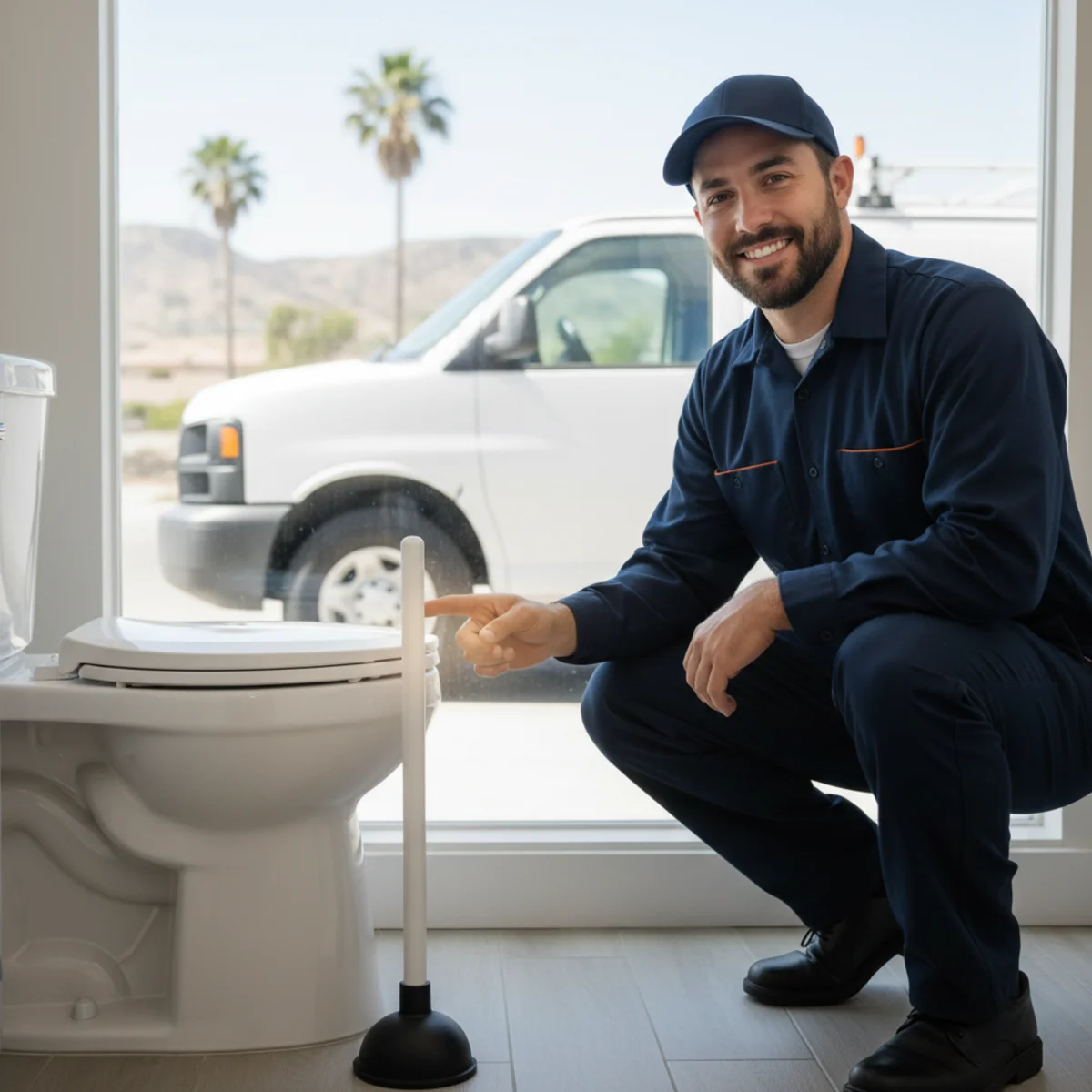
Once the immediate overflow is stopped and the area is safe, try a plunger on a drain blockage. Use a flange plunger (the kind with the cup extension that seals into the drain opening) rather than a flat-cup plunger — it creates a much better seal in a toilet drain.
Technique matters: insert the plunger, ensure the cup is submerged in water, and use firm, controlled pushes rather than aggressive jabs. Pull up on the plunger as firmly as you push down — the suction action is as important as the pressure. After 8 to 10 strokes, try a slow test flush with the tank not fully refilled (hold the flapper partially closed) to test drainage.
If the toilet flushes normally, the clog is cleared. If it drains slowly or rises again, the clog is further down the line or is a material that a plunger can't dislodge.
When It's More Than a Clog
There are two situations that mean a clog has moved beyond DIY territory:
First: when other drains in the house are also backing up or slow simultaneously. This points to a main sewer line problem — the kind that requires professional equipment to diagnose and clear. A plunger won't help here.
Second: when the toilet repeatedly overflows within a short period despite being plunged clear each time. If a toilet keeps clogging in the same place, there's either a recurring obstruction issue (something being flushed that shouldn't be), a partial obstruction further down the line, or a toilet design/drain problem.
In Redlands Heights and other hillside neighborhoods, tree roots in the main sewer line can cause chronic toilet overflow issues across the whole house. A sewer camera inspection is the way to know for certain.
Preventing Future Overflows
Most toilet overflows are preventable with basic practices:
- Only flush toilet paper — no wipes (even flushable), no feminine hygiene products, no paper towels
- Keep foreign objects (children's toys, cotton rounds, dental floss) away from toilet access
- Address a running or slow-flushing toilet promptly — a toilet that drains slowly is more likely to overflow
- Check the fill valve and float annually — a fill valve that's starting to stick or a float that's damaged is the setup for an overflow from the tank side
If your toilet is more than 20 years old and has been having performance issues, replacement with a current model may be more cost-effective than repeated repairs. Current low-flow toilets are significantly more effective than the early 1990s models and use far less water per flush. Call (207) 419-2600 if you need toilet repair or a professional drain clearing after an overflow.
Need toilet repair in the Redlands area?
Fix a running, leaking, clogged, or rocking toilet in your Redlands Heights home. Upfront pricing and fast local service.
Written & reviewed by the Redlands Heights Plumbing Pros team
Our licensed (CA C-36), local plumbers have handled the realities of Redlands-area homes for years — hard water, aging pipe, and slab leaks included. Questions about your home? Call (207) 419-2600 or request service.
Verify our CSLB license