Some plumbing problems can wait until Monday morning. Others can't — and knowing the difference can save your home from serious water damage.
Key takeaways
- Burst pipes, sewage backup, and gas smell always qualify as plumbing emergencies.
- A slow drip can wait; flooding, no water at all, or sewage odors cannot.
- Shut off the main water valve first, then call - it limits damage while you wait.
- After-hours emergency rates are real, but water damage repairs cost far more if you delay.
True Plumbing Emergencies
A plumbing emergency is any situation where water is actively threatening your home's structure, your health, or your safety. If water is flowing where it shouldn't and you can't stop it, that's an emergency. If you smell gas near a water line or appliance, that's an emergency. The key question isn't "how bad does it look" but "is it getting worse right now?"
Situations that warrant calling an emergency plumber immediately include:
- Burst pipe anywhere in the home — water spraying, pooling rapidly, or soaking through walls or ceilings
- Sewage backing up into tubs, toilets, or floor drains — a health hazard that won't resolve on its own
- No water at all in the house combined with visible wet spots in the yard (possible main line break)
- Gas smell near the water heater, stove connections, or any plumbing fixture
- Slab leak signs: warm spots on the floor, the sound of running water with everything off, sudden dramatic spike in your water meter reading
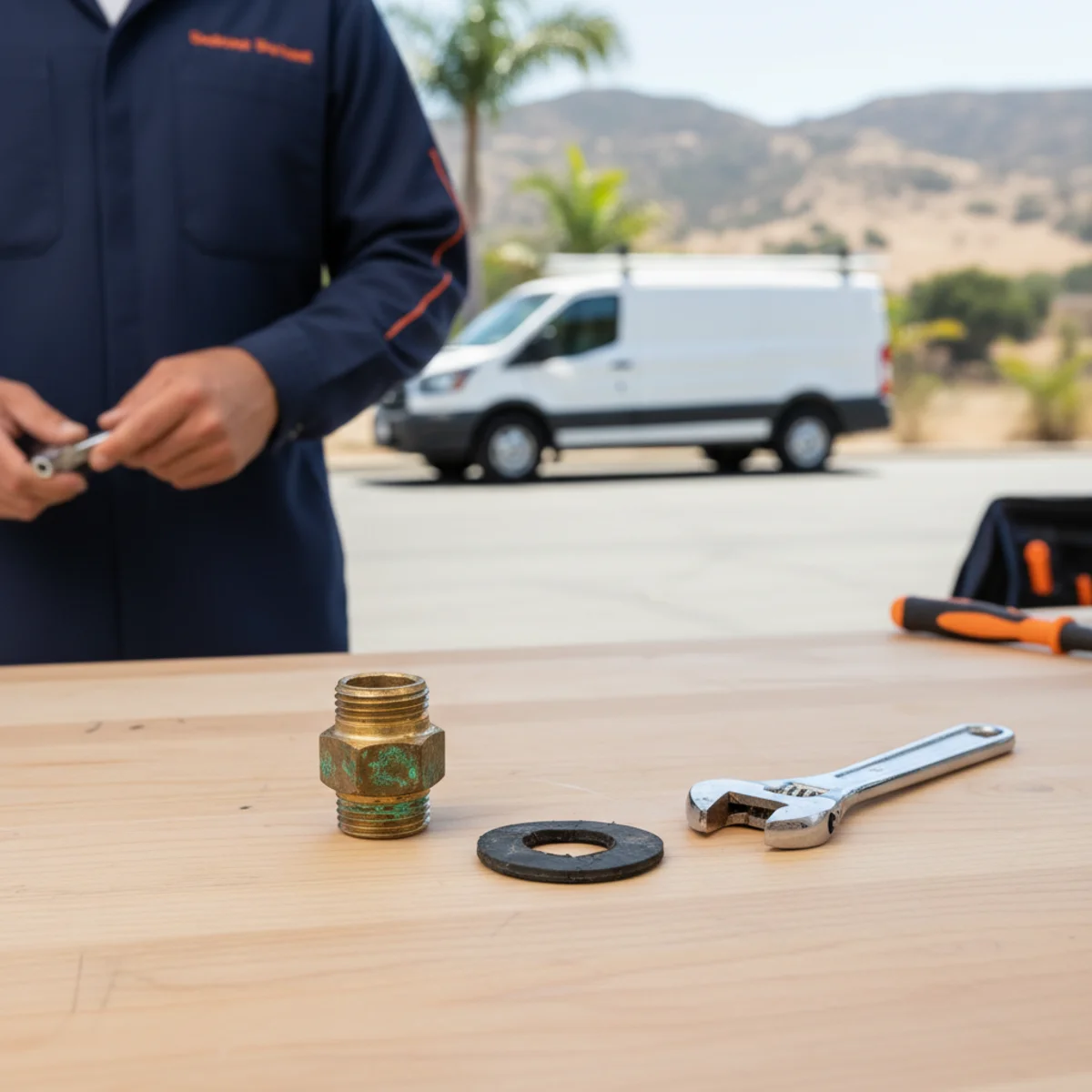
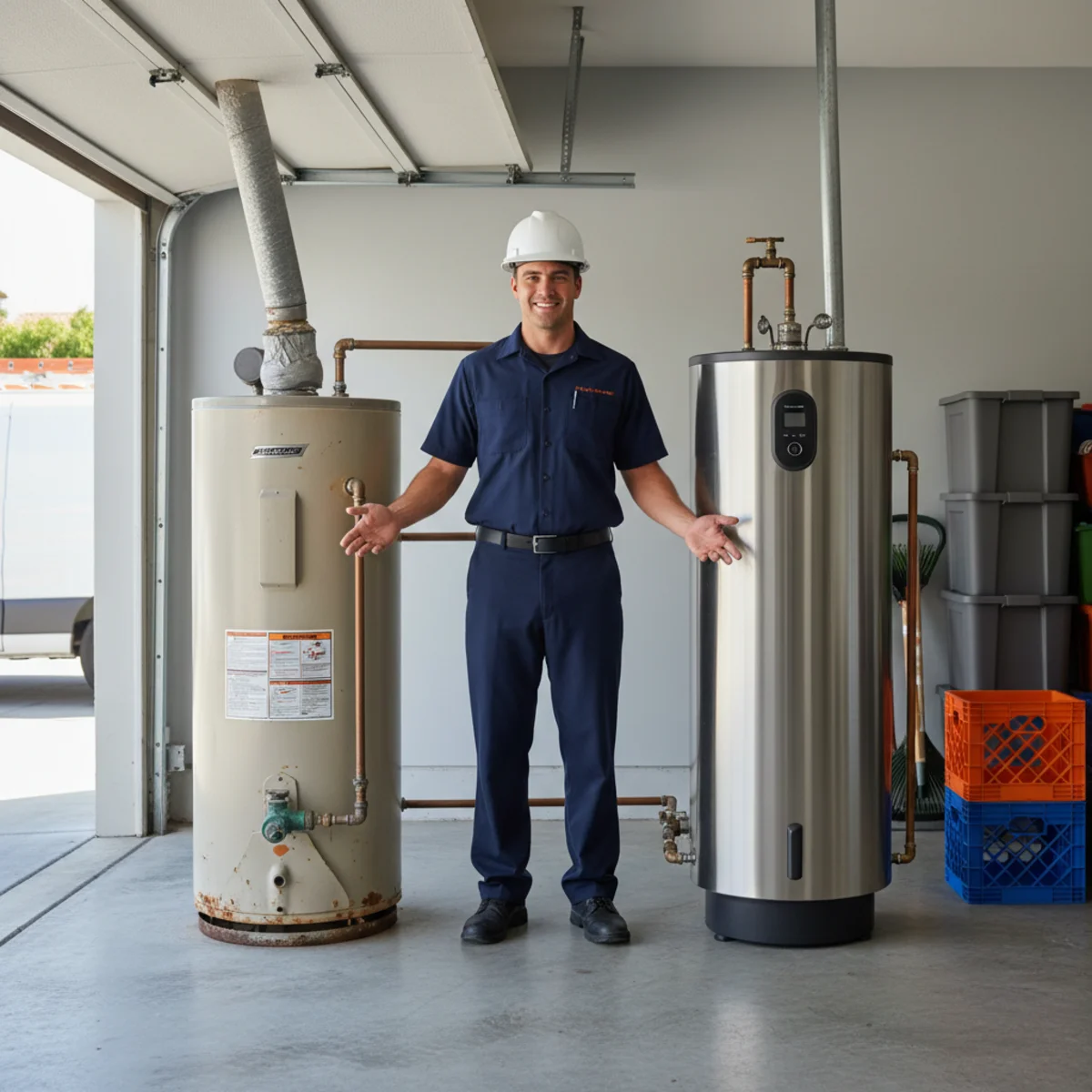
- Water heater actively leaking from the tank body — not the fittings, but the tank itself
If any of these describe what you're seeing, stop reading and call (207) 419-2600. We offer 24/7 emergency response throughout Redlands and Redlands Heights.
Problems That Can Usually Wait
Not every plumbing issue justifies an after-hours call — and we'll always tell you honestly. A slow-draining sink, a dripping faucet, a toilet that runs for a minute after flushing, or a water heater that's taking longer to recover are all real problems worth fixing, but they won't destroy your home overnight.
The rule of thumb: if you can stop the water (by turning off the fixture shut-off or the main valve) and the situation is stable, you can schedule a regular appointment. If water is still moving without your control, treat it as an emergency.
A leaky faucet that drips at one drop per second, for example, wastes about 3,000 gallons per year and should be fixed promptly — but it's not a Saturday-at-midnight situation. A toilet that overflows and won't stop with the flapper held down is a different story.
Why Fast Action Matters
Water moves fast and causes disproportionate damage relative to its volume. A half-inch pipe burst can release hundreds of gallons per hour. Even a slow, hidden leak inside a wall can saturate insulation, rot framing, and create mold conditions within 24 to 48 hours — all invisible until it's expensive.
In Redlands Heights specifically, some homes sit on hillside terrain where water doesn't drain predictably away from foundations. A burst pipe near the foundation on a sloped lot can undermine soil and cause far more structural concern than the same leak on flat ground. If you're in a hillside home and you see unexplained wet soil or a sudden depression near your foundation, that's worth a same-day look even if the interior seems dry.
Shut Off the Water First
The single most valuable thing you can do before the plumber arrives is stop the water. Every homeowner in Redlands should know where their main shut-off valve is located. It's usually near the front of the property, in a ground-level box in the lawn, or along the side of the house near the meter. In older pre-1980s homes in south Redlands and the Smiley Heights area, the shut-off can sometimes be inside a garage or crawl space — worth locating now, before you need it in a hurry.
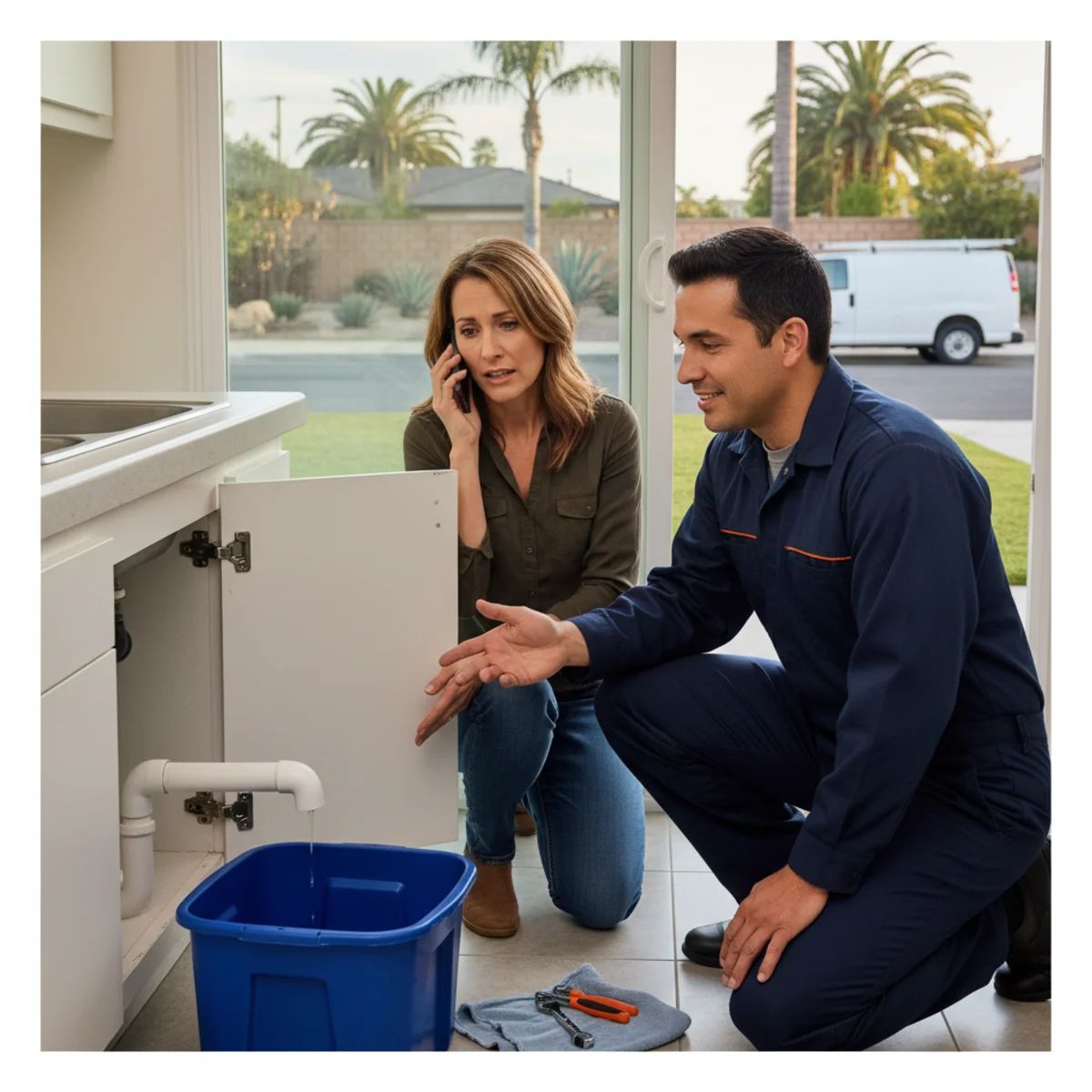
Individual fixtures have their own shut-offs under the sink or behind the toilet. For a localized leak, use those first to minimize disruption to the rest of the house. For a burst pipe in the wall or a slab leak, go straight to the main.
Once the water is off, open a faucet at the lowest point in the house (a laundry sink or hose bib) to release pressure and drain water from the lines. This reduces further damage while you wait for help.
What to Tell the Plumber
When you call, give us as much detail as you can in 30 seconds: where the leak or problem is, whether you've shut off the water, whether you smell gas, and whether there's visible water damage already. This helps us dispatch the right equipment and set accurate expectations for arrival time.
Also helpful: the age of your home (so we know whether to expect galvanized pipe, copper, or PEX), whether you're on a slab or have a crawl space, and whether you've had recurring problems in the same area. Older Redlands homes built before 1980 often have galvanized steel pipes that corrode from the inside out — a slow drip in one spot sometimes signals that the pipe system is broadly near the end of its life.
Redlands-Specific Risk Factors
Redlands and the broader Inland Empire have some conditions that accelerate plumbing failures. Hard water — which is common throughout the region — deposits calcium and magnesium scale inside pipes and water heaters, reducing flow and shortening equipment life. Tree-root intrusion into sewer lines is a significant issue in established neighborhoods like Smiley Heights and the University District, where mature trees have had decades to find their way into clay or cast-iron sewer lines.
Slab construction is also very common in Redlands, which means leaks under the foundation are more common here than in areas with crawl spaces or basements. If you notice warm spots on your floor, hear water running with everything off, or see your water bill jump unexpectedly, a slab leak is near the top of the diagnostic list.
Any of these situations merit a prompt call — and if you're unsure whether yours qualifies as an emergency, call anyway. We'd rather help you determine it's non-urgent than have you wait on something that isn't.
Need emergency plumbing in the Redlands area?
Fast emergency plumbing help for Redlands Heights homeowners when every minute counts. Upfront pricing and fast local service.
Written & reviewed by the Redlands Heights Plumbing Pros team
Our licensed (CA C-36), local plumbers have handled the realities of Redlands-area homes for years — hard water, aging pipe, and slab leaks included. Questions about your home? Call (207) 419-2600 or request service.
Verify our CSLB license