Hillside terrain, hard water, and aging pipe materials combine to create a distinct set of plumbing challenges for Redlands Heights homeowners.
Key takeaways
- Hard water from the Inland Empire accelerates mineral buildup inside pipes and fixtures.
- Pre-1980s Redlands homes often have galvanized steel pipes that corrode from the inside out.
- Slab leaks are more common here than in newer developments built on different foundations.
- Seasonal temperature swings can stress older supply lines and cause unexpected pinhole leaks.
Aging Pipe Materials
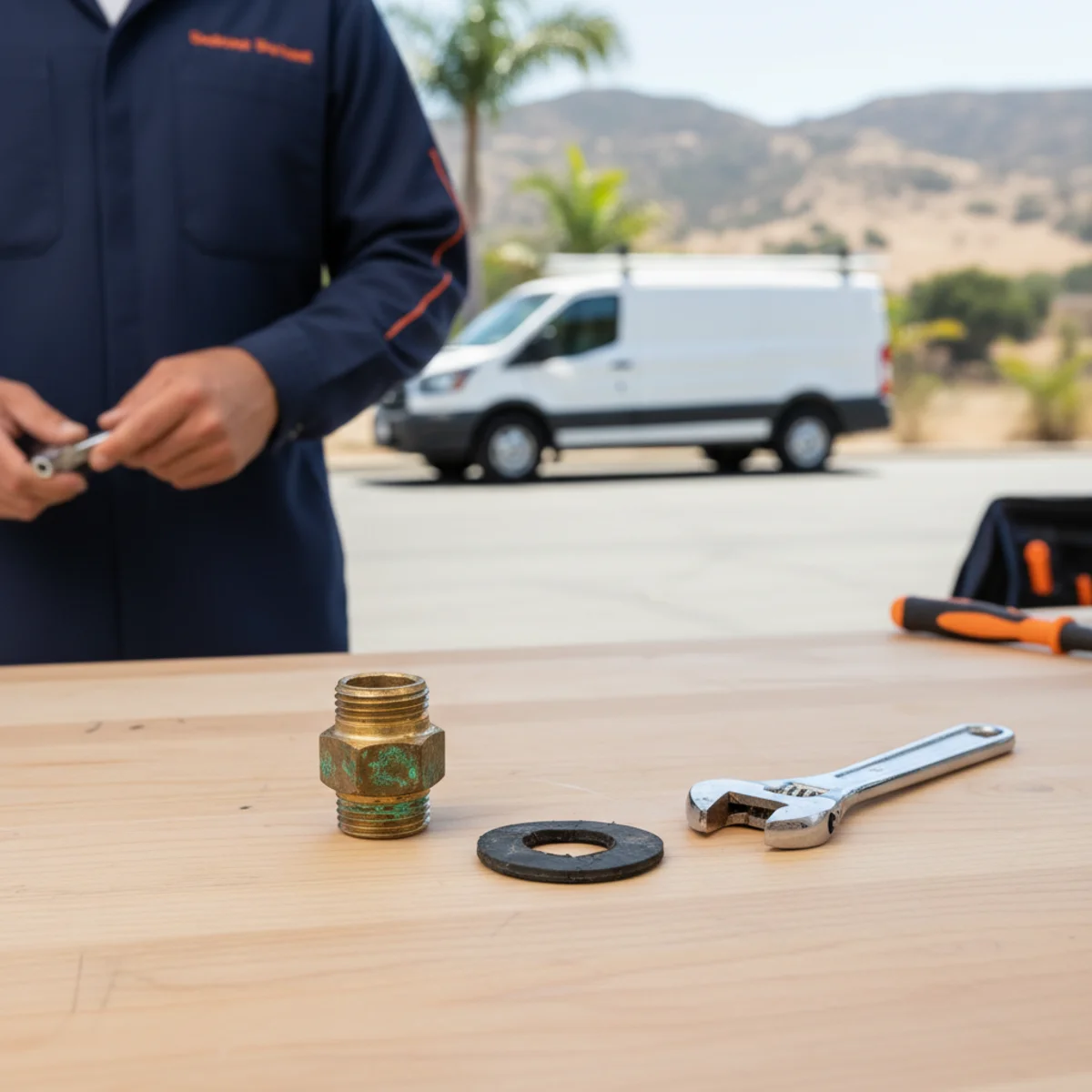
Many Redlands Heights homes were built between the 1940s and the early 1980s. Homes from that era were commonly plumbed with galvanized steel pipe, which has a practical lifespan of 40 to 70 years depending on local water chemistry. The hard, mineral-laden water in the Inland Empire accelerates internal corrosion, narrowing the pipe's bore with iron oxide buildup and eventually causing low pressure, rust-colored water, and pinhole leaks.
Homes built in the 1960s and 1970s may have early copper plumbing, which is generally more durable — but thin-wall copper still develops pinhole leaks after decades of contact with aggressive water. If your home is pre-1980 and you've never had the pipes evaluated, a plumbing inspection is worth scheduling. Catching the early signs of widespread corrosion lets you repipe on your schedule rather than in response to a burst.
Signs that aging pipes may be failing include:
- Discolored or rusty water when you first open a cold tap
- Noticeably low water pressure throughout the house (not just one fixture)
- Multiple pinhole leaks in different locations over a short period
- Pipes that feel rough or flaky on the exterior where they're visible
Hard Water Scale Buildup
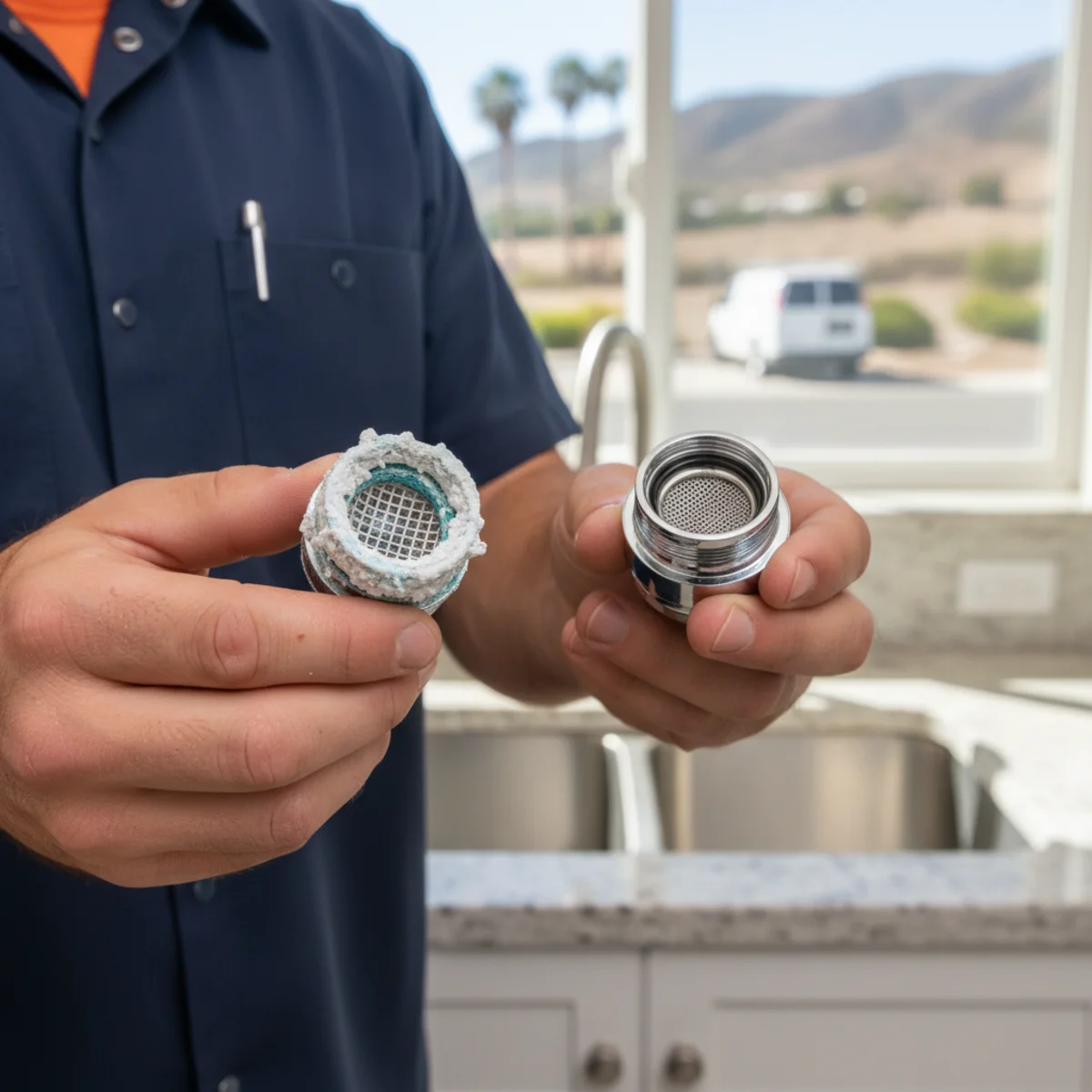
Redlands water is notably hard — typically in the range of 250 to 350 parts per million of dissolved minerals, far above the 120 ppm that's considered "moderately hard." Over time this calcium and magnesium carbonate scale deposits inside every pipe, fixture, and appliance that water passes through.
In water heaters, scale settles on the tank bottom and the heating element, forcing the unit to work harder and shorten its lifespan by several years. In shower heads and faucet aerators, scale clogs small orifices and reduces flow. In dishwashers and washing machines, scale contributes to component failure and reduces cleaning efficiency.
The most effective long-term solution is a whole-house water softener. In the short term, descaling your water heater annually and cleaning aerators and shower heads with white vinegar slows the buildup. We install and service water softeners sized appropriately for Redlands water hardness levels.
Slab Leaks
Redlands Heights, like much of the Inland Empire, has a high proportion of slab-on-grade homes — homes where the concrete foundation is poured directly on the ground with copper water lines embedded in or just below the slab. As those copper lines age and corrode, pinhole leaks develop underneath the foundation. Because the leak is hidden, it can continue for months or years before obvious symptoms appear.
Warning signs of a slab leak include a noticeable sound of running water when all fixtures are off, warm or damp spots on the floor (particularly tile or hardwood), unexplained increases in water bills, and cracks in the floor or baseboards. In hillside homes, water escaping under the slab can also find its way through the foundation and out to the yard, causing soil erosion or unexplained wet patches in the landscaping.
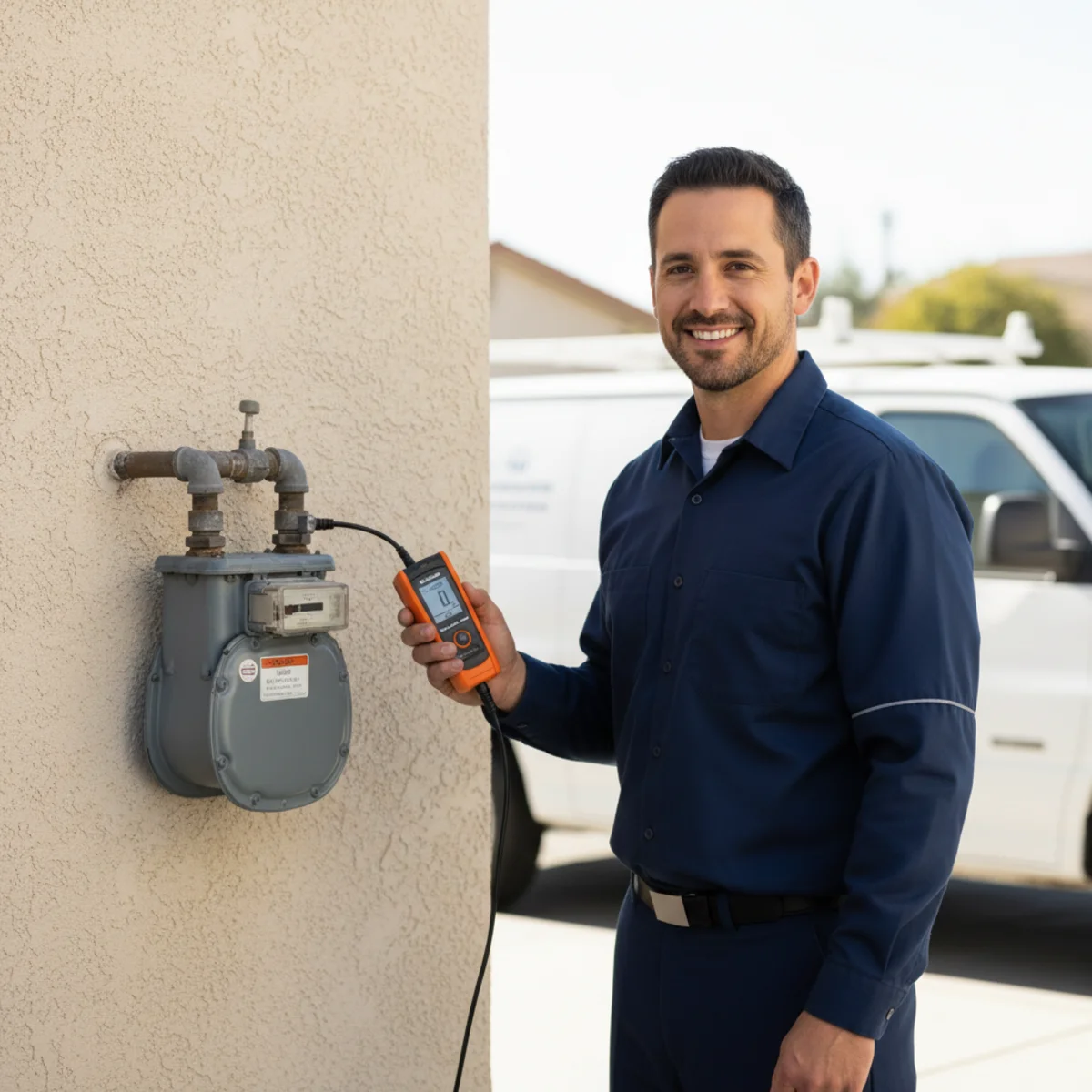
Detection involves professional leak detection equipment — acoustic listening devices and pressure testing — rather than guesswork. The sooner a slab leak is found, the more repair options are available. Early detection may allow a targeted spot repair; a long-running slab leak often requires more extensive intervention.
Tree Root Intrusion
Redlands Heights has established, mature landscaping — oak trees, eucalyptus, citrus, and ornamentals that have been growing for decades. Roots from these trees aggressively seek moisture and will find their way into sewer lines through any small crack or joint gap. Older clay or cast-iron sewer lines, which are common in pre-1980s Redlands Heights homes, are especially vulnerable.
Once roots enter a sewer line they expand, catch debris, and eventually cause complete blockages. Symptoms include slow drains throughout the house, gurgling sounds from toilets when other fixtures drain, and in severe cases sewage backing up into the lowest fixtures in the home.
A sewer camera inspection is the only way to know definitively whether you have root intrusion and how extensive it is. Hydro jetting can clear roots from a line, but if the line is cracked or has significant joint separation, repair or replacement of the sewer line is the more lasting solution.
High Water Pressure
Many homes in Redlands Heights receive municipal water at pressures that exceed the recommended 40 to 80 psi range — sometimes significantly so. High pressure feels great in the shower but creates ongoing mechanical stress on every joint, valve, and appliance connection in the house. Over time it contributes to pinhole leaks, shortens washing machine hose life, wears out faucet internals faster, and increases the likelihood of a pipe joint failure.
A pressure-reducing valve (PRV) installed at the main service entry is the standard fix. PRVs are inexpensive relative to the damage high pressure can cause, and they're simple to set and forget. If you hear banging or thumping in the pipes when you close a valve quickly (called water hammer), high pressure is often a contributing factor. Testing your home's static water pressure with an inexpensive gauge is a reasonable starting point before calling for service.
Seasonal Temperature Stress
Redlands doesn't experience hard freezes often, but nighttime lows in the upper 20s to low 30s are possible in January and February, especially at the higher elevations of Redlands Heights. Exposed pipe runs in uninsulated exterior walls, in garages, or on the shaded north side of a property are vulnerable. Unlike much of the country, Redlands homes often don't have heavily insulated pipes because cold weather is uncommon — which means the occasional freeze can catch homeowners off guard.
Insulating exposed pipes in the garage and any exterior runs is inexpensive prevention. On nights when a hard freeze is forecast, letting a trickle of water run from the farthest cold-side fixture helps keep water moving and reduces freeze risk. If a pipe does freeze, never use an open flame to thaw it — a heat gun or hair dryer on low heat applied carefully is safer.
When to Call a Professional
Most of the issues above are diagnosable by a homeowner but require professional repair. If you're seeing rusty water, multiple small leaks, slow drains throughout the house, or unexplained jumps in your water bill, it's worth getting a plumbing inspection rather than addressing each symptom individually. A comprehensive look at your system often reveals a root cause that saves money compared to repeated reactive repairs.
Redlands Heights Plumbing Pros serves the entire Redlands Heights area with inspections, repiping, sewer camera inspections, slab leak detection, and water softener installation. Call (207) 419-2600 to schedule a visit — we can tell you honestly what needs attention now and what can wait.
Need plumbing repair in the Redlands area?
Reliable plumbing repairs for Redlands Heights homeowners — done right the first time. Upfront pricing and fast local service.
Written & reviewed by the Redlands Heights Plumbing Pros team
Our licensed (CA C-36), local plumbers have handled the realities of Redlands-area homes for years — hard water, aging pipe, and slab leaks included. Questions about your home? Call (207) 419-2600 or request service.
Verify our CSLB license